
Ahead of the relaunch of our North East regional hub in September, we’ve taken a look back at the region’s rich transport history, including some of the pioneering women not always mentioned in the history books.
The North East's transport story is usually told through men. George and Robert Stephenson, Charles Parsons, the shipyard owners whose names still hang over the Tyne. It's a proud history, and one that’s still strongly felt. But it leaves out the women who engineered, built and now run those very same transport networks.
Here are four stories of prominent women in the history of North East transport.
Engineering an entire movement: Rachel and Katharine Parsons
The Parsons name is Tyneside royalty. Sir Charles Parsons patented the steam turbine on Tyneside in 1884 and changed how the world generated power at sea and on land. The story less often told is that two of the family's most consequential figures were women.
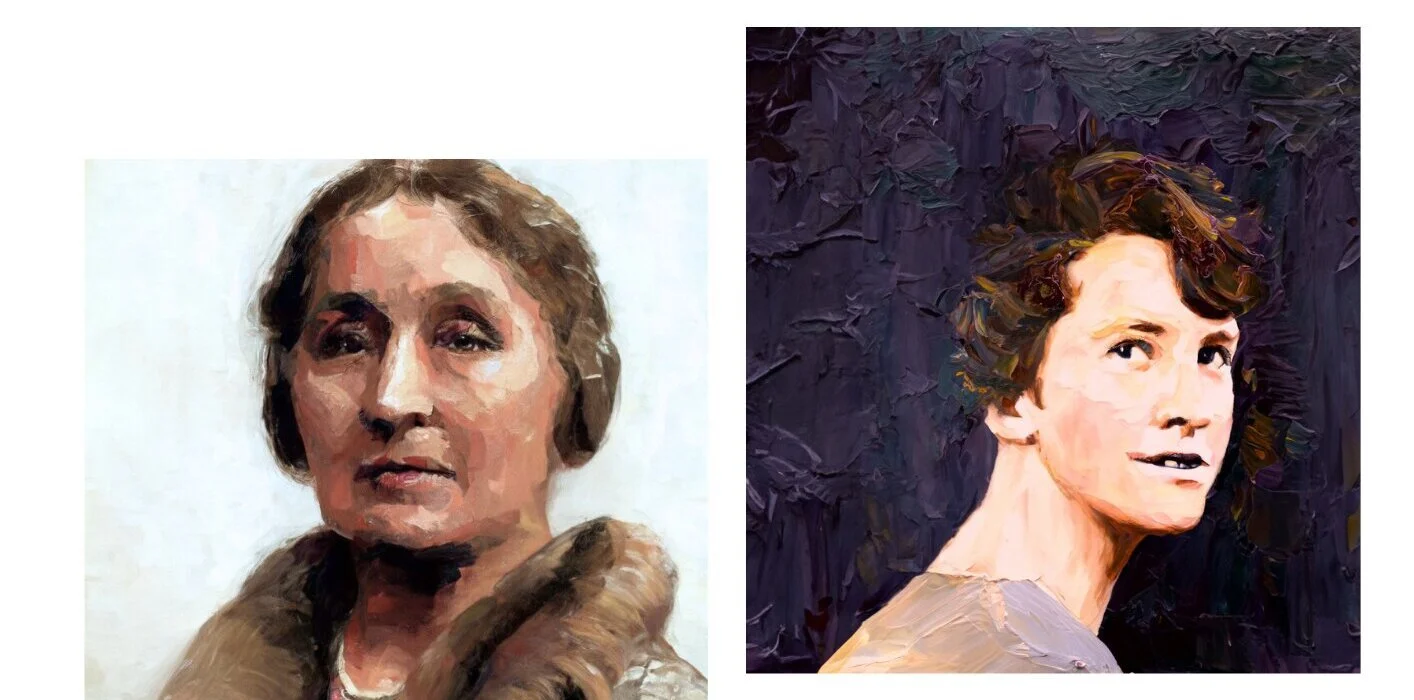
Katharine (left) and Rachel (right) Parsons
Rachel Parsons was one of the first three women admitted to study Mechanical Sciences at Cambridge in 1910 – like every other woman there at the time, she was barred from actually taking the degree she'd earned. When the First World War broke out and her brother went to fight, Rachel stepped onto the board of the family's engineering works in Newcastle, where she recruited and trained the women brought in to replace men at the front. Her mother, Katharine, did the same, managing a female workforce across the converted armaments factories of Tyneside.
When the war ended, the women were pushed out to make room for returning soldiers. Katharine's response, in a blunt 1919 speech, was that women had been allowed to build the "implements of war" but not the tools of peace. In the same year, she became the first woman made an Honorary Fellow of the North East Coast Institution of Engineers and Shipbuilders.
The Parsons didn't stop at decrying male hypocrisy. In June 1919, they co-founded the Women's Engineering Society, with Rachel as its first president – a national organisation, born on the Tyne, that still champions women in engineering more than a century later. They later set up Atalanta, an engineering firm that employed only women. Both mother and daughter now have blue plaques in the region they helped to power.
The women who built the ships
For much of the 20th century, the Tyne and the Tees launched a staggering share of the world's ships. What's rarely acknowledged is who was building them when it mattered the most.
During the First World War, with the region's shipyard workers away fighting, thousands of local women stepped into highly skilled engineering roles at yards including Swan Hunter in Wallsend, Palmers in Hebburn, and the new yard being built at Haverton Hill on the Tees. They fitted out warships and merchant vessels at exactly the moment U-boats were sinking Britain's shipping faster than it could be replaced.
When the men came home, the women were shown the door.
It happened again a generation later. In March 1941, with shipping losses mounting in the North Atlantic, the Minister of Labour called for 100,000 women to join the shipbuilding industry. Once more the yards of the North East filled with women rivet-catchers, welders and engineers. For years at a stretch, the region's maritime output rested on women's hands.
Their names went largely unrecorded, with recent efforts to document them being led by Historic England alongside the Women's Engineering Society and others.
The first name on the register: Dorothy Buchanan
In December 1927, Dorothy Buchanan became the first woman admitted to the Institution of Civil Engineers – the sole woman among nearly 10,000 members. She got there the hard way, gaining site experience on a reservoir in Northern Ireland to qualify, and she was reportedly treated as a curiosity by male colleagues who just “came to gawp”.
Dorothy was part of the Dorman Long design team behind the Tyne Bridge, working on the steelwork for the structure that opened in 1928 and became the defining silhouette of the region. Before that, she'd worked on the design of the Sydney Harbour Bridge – so the two great arched bridges of the 20th century both carry her fingerprints.
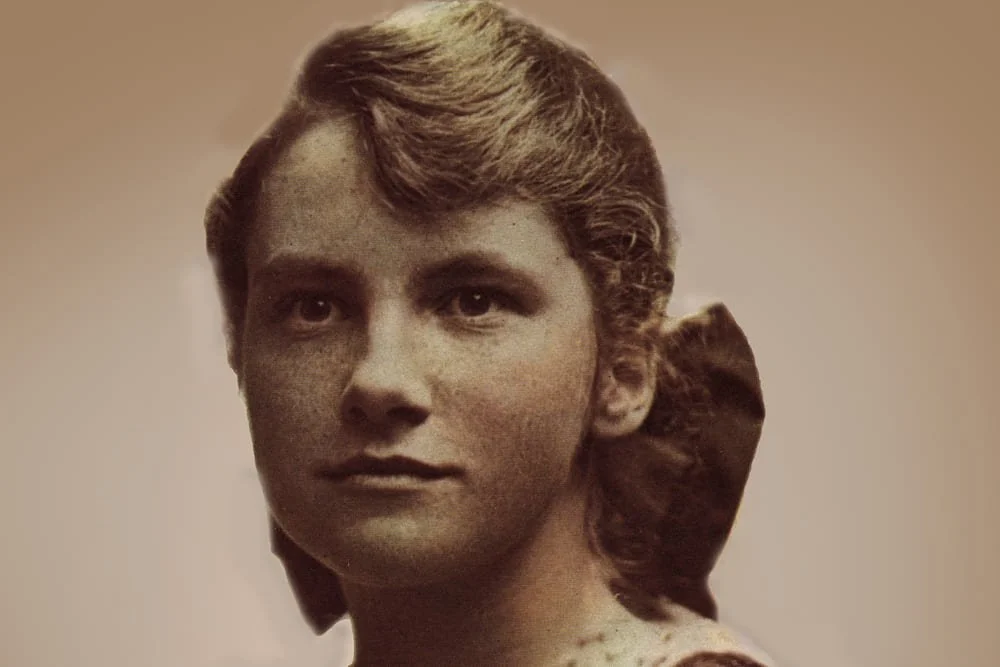
Dorothy’s own words on the milestone still land: “I felt that I represented all the women in the world. It was my hope that I would be followed by many others.” A blue plaque on the Tyne Bridge itself now marks her contribution.
Cathy Massarella: a changing of the guard
For most of its history, Nexus, the organisation that runs the region's public transport was led by men. That changed in 2024, when Cathy Massarella became the first woman to serve as managing director of Nexus, the body that owns and operates the Tyne and Wear Metro.
Cathy took on the role at a pivotal moment. Nexus is delivering a £362m programme to replace the Metro's entire fleet with 46 new trains – the biggest single project in its history – alongside a new depot and signalling. She has also been open about the culture she inherited: in a traditionally male-dominated sector, female senior leadership at Nexus has risen from zero to around 40% since 2020.
Cathy isn't the only woman shaping how the region moves. In 2024, Kim McGuinness was elected the first North East Mayor, a role that now carries responsibility for regional transport strategy and investment.
A century on from Rachel Parsons being barred from her own degree, the people planning the North East's next transport era increasingly include women at the very top.
Women in Transport’s North East regional hub is relaunching in September. Keep an eye on our Events page for updates!