
The Transport Committee has opened an inquiry into safer journeys for women and girls. The Women in Transport Women's Safety working group looks at what it's asking – and why our members should respond before the 9th October deadline.
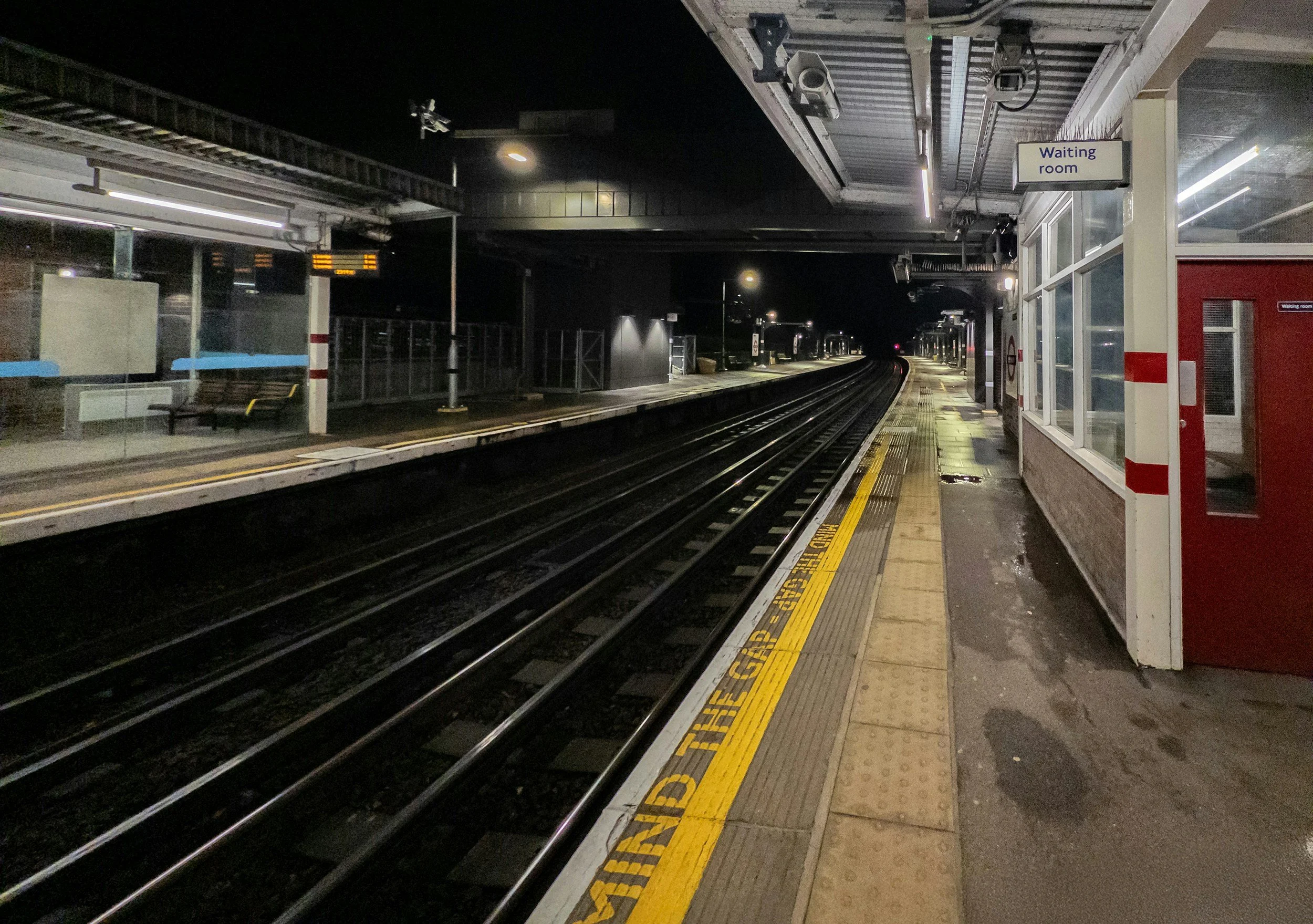
Two weeks ago, we summarised SYSTRA's literature review on how women and girls perceive safety on the UK bus network. The picture it painted was stark: 48% of women feel unsafe travelling alone after dark, 63% avoid evening travel, and safety depends not on any single fix but on the whole journey. Our conclusion was that these are not abstract social forces; they are decisions made by people every day.
Now there is a formal opportunity to put that thinking in front of the people who set national policy.
What's happening
On 16th July 2026, the House of Commons Transport Committee launched an inquiry into how effectively the Government is helping to keep women and girls safe while they travel. It covers the whole picture – public transport, but also walking, wheeling and cycling – and it will examine what more can be done so that women and girls can travel without fear of violence, intimidation or harassment.
The context is sobering. Policing bodies have described violence against women and girls (VAWG) as a national emergency, with at least 1 in 12 women estimated to be a victim each year – the true figure is thought to be higher. In response, the Government has pledged to halve VAWG within a decade, and its strategy recognises that well-lit streets, accessible transport and thoughtful design can deter harm and signal that public spaces belong to everyone.
Committee Chair Ruth Cadbury has said the inquiry will test whether Government and transport providers genuinely understand what women and girls encounter, how meaningfully the Department for Transport is contributing to the wider mission, and whether current reporting, response and enforcement are up to the task.
The written evidence window closes on 9th October 2026.
What the inquiry is asking
The Committee has set out 11 questions. Read together, they cluster into a handful of recurrent themes:
Understanding the problem – how well Government and providers are grasping how safe women's journeys really are, the effect of perception on travel patterns, and whether the data is good enough to identify risks.
Prevention and design – which measures most effectively reduce risk, and how transport systems can be designed or adapted so that women and girls feel safer.
Inclusion – how systems can protect all women and girls, including transport staff, disabled people, LGBT+ people, and people from minority groups.
Reporting, response and enforcement – whether current processes and resources are sufficient, how agencies can spot patterns of offending or high-risk services and times, and what sanctions best deter repeat perpetrators.
Technology – how to make the most of tech to keep journeys safe while protecting privacy.
Coordination – how effectively the DfT works with other departments, local authorities, providers and wider stakeholders.
Why this is our moment, across all modes of transport
The inquiry is, in effect, asking the transport sector to show its evidence – and the evidence is exactly what reviews like SYSTRA's have been assembling.
When the Committee asks how perception affects travel patterns, we can point to the 63% of women who avoid evening travel and the 86% of girls and young women who avoid going out after dark. When it asks which preventative measures work, we have findings on lighting, natural surveillance, staff presence, reliable information and believable reporting routes. When it asks about design, we have the whole-journey principle. When it asks about enforcement and repeat perpetrators, there is emerging practice to point to, including the Bus Services Act 2025 training mandate, CPT's national Driver CPC module, and operator initiatives from First Bus, TfL and Stagecoach East.
In other words, the questions that Parliament is now asking are the questions our sector has already been working on. What's needed now is for that knowledge to reach the Committee in a clear, evidence-led form – and Women in Transport members are exactly the people who can provide it, because they sit inside the organisations making these decisions.
We also want to showcase the initiatives that are making positive change happen. Initiatives like Kids Streets in the West Midlands, spearheaded by WSP and Mott MacDonald (both Women in Transport corporate partners). The Kids Streets vision sets out the specific step-changes needed to make streets in the region safer and healthier for children, clustered around the themes of physical measures, behaviour change, and enforcement.
The working group's ask
We would encourage our members to consider submitting written evidence before 9th October, whether as an organisation or by feeding into a collective response. If you have data, lived experience from your networks, or examples of what has and hasn't worked, that is precisely what the Committee wants to hear.
Our APPG is coordinating a Women in Transport contribution and would welcome your input. If you'd like to shape it, share evidence, or simply talk through what a submission might cover, please get in touch.
The problem is well documented. This is a rare, time-limited chance to make sure the people writing policy hear it clearly – from the people who know it best.
Written evidence can be submitted via the Transport Committee's call for evidence, which closes on 9th October 2026.