
World Menopause Day is held every year on 18th October.
One year on from the publication of our Navigating Menopause in the Workplace whitepaper, Women in Transport, PA Consulting and Jacobs brought colleagues from across the transport sector back together to reflect on what has changed, where challenges remain and, importantly, what needs to happen next.
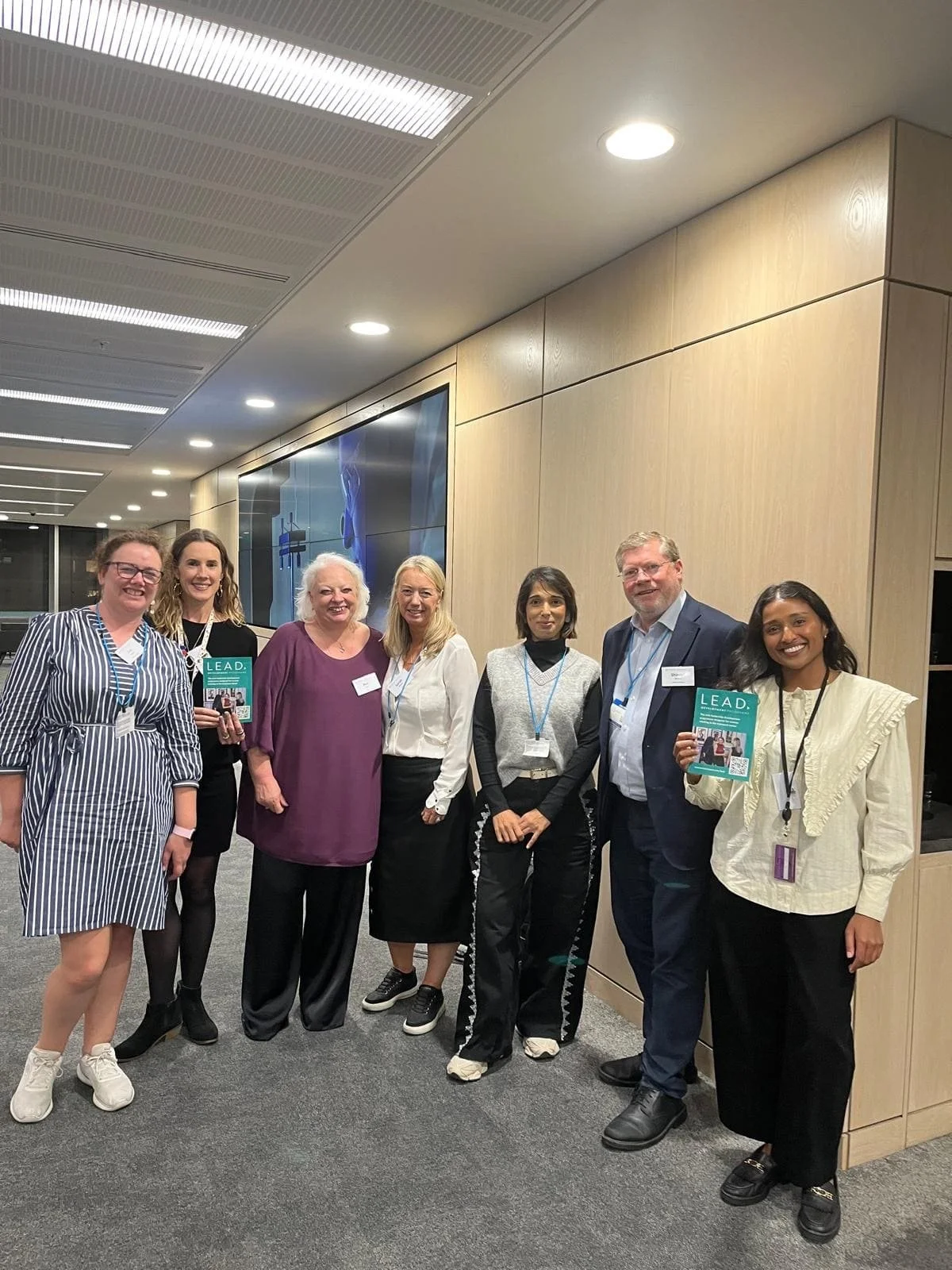
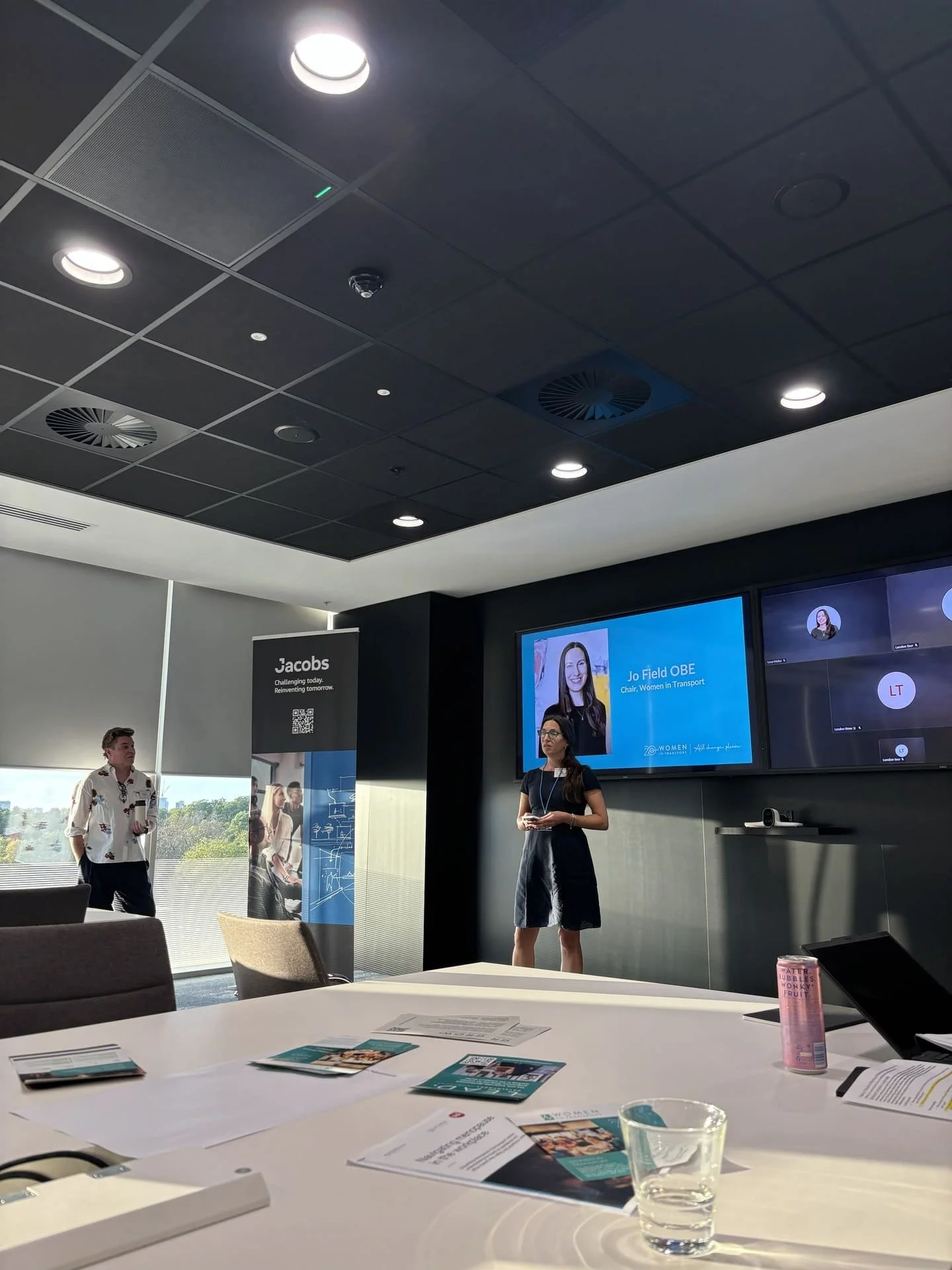
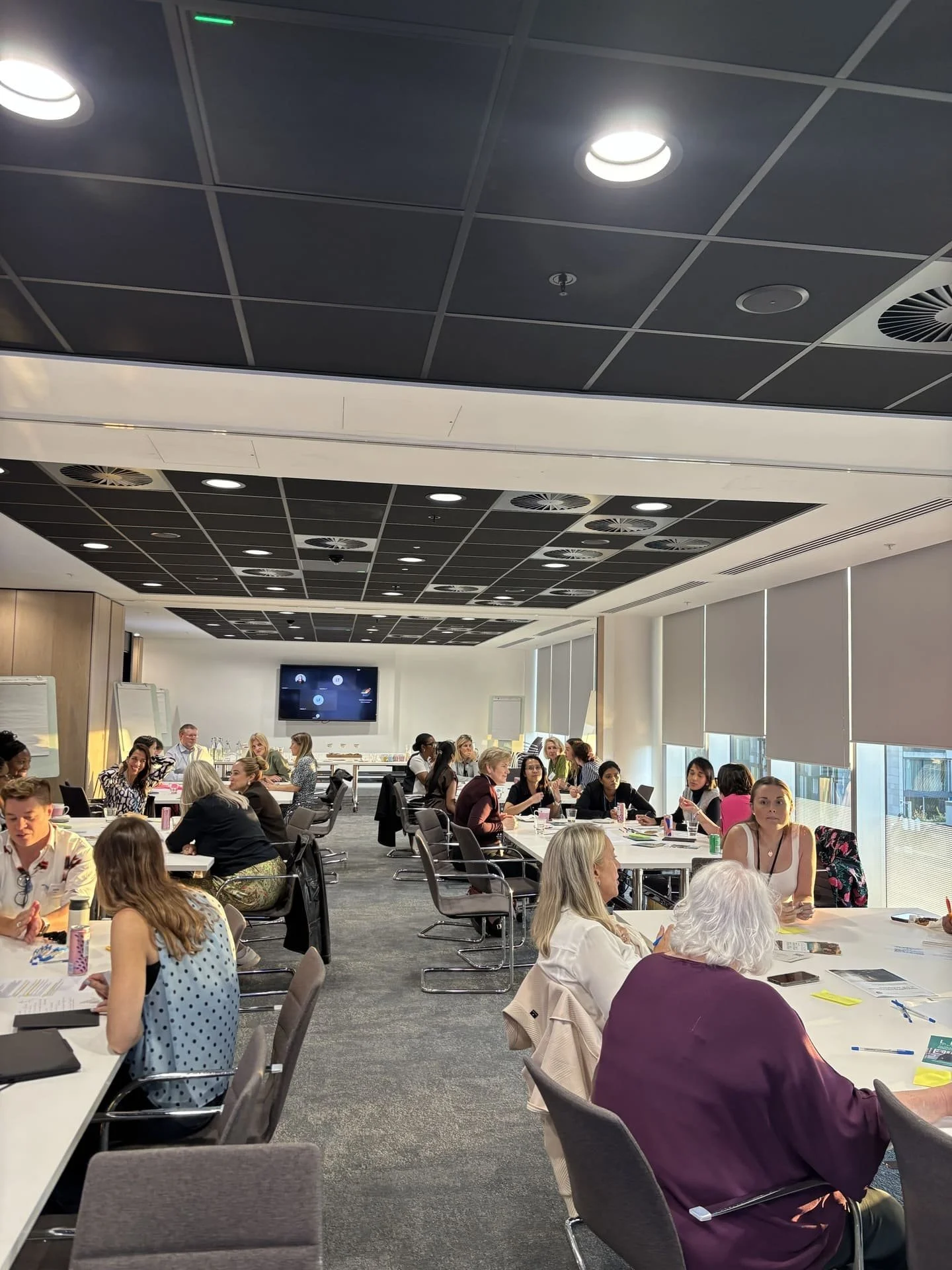
The roundtable discussions explored six themes: Policy & Healthcare, Flexible Working, Intersectionality, Career Progression, Cost & Finance, and Culture & Behaviours. Across them, one message came through clearly: awareness of menopause in the workplace is growing, but awareness alone is not enough. The next step is turning understanding into practical, consistent support that works for people in different roles and circumstances.
1. Policy & Healthcare: Turning awareness into practical support
The discussion recognised that awareness is increasing, but levels of understanding and confidence still vary significantly between organisations and business areas.
Participants also highlighted that healthcare provision and knowledge of workplace adjustments remain inconsistent.
Three things we heard:
Move from awareness to understanding and action. Organisations need to help people understand how varied the menopause experience can be, rather than stopping at awareness campaigns.
Make adjustments visible and practical. Employees and managers need clearer information about available workplace adjustments, from uniforms and workplace temperatures to access to appropriate facilities.
Recognise the value of peer support. Menopause cafés, employee networks and other opportunities to learn from lived experience can complement formal healthcare provision and provide valuable practical support.
2. Flexible Working: Flexibility needs to work for every role
One of the strongest messages was that flexibility cannot simply mean working from home. Transport includes a wide range of operational and frontline roles where hybrid working is not an option. Participants discussed how shift patterns, location and uniform requirements can all affect people’s ability to manage symptoms at work.
Three things we heard:
Make flexibility role-specific. Adjustments could include shift flexibility, alternative locations or hours, appropriate uniforms and other changes tailored to the individual and their role.
Equip people to have the conversation. Employees may not always feel comfortable raising adjustments with their line manager. Simple guides, alternative support routes and networks could make those conversations easier.
Share what works. Participants highlighted the value of promoting support that already exists and sharing examples where workplace changes have helped someone remain and progress within an organisation.
3. Intersectionality: There is no single menopause experience
Menopause does not happen in isolation. Participants discussed how experiences can be shaped by age, culture, ethnicity, health conditions, job role, working environment, reproductive history and wider life circumstances. A standardised approach therefore risks missing the people who need support most.
Three things we heard:
Design support around different experiences. Policies and guidance need to recognise differences across cultures, roles, working environments and life stages.
Think beyond menopause in isolation. Fertility, pregnancy, endometriosis and other reproductive and hormonal health experiences can intersect across someone’s working life.
Listen to lived experience. Storytelling, peer networks and employee-led conversations can help reduce stigma and ensure organisational approaches reflect people’s real experiences rather than assumptions.
4. Career Progression: Menopause should not mean stepping back
The conversation also explored the less visible effect menopause can have on people’s careers. Symptoms can affect confidence and willingness to pursue opportunities, while support can vary considerably depending on an individual’s manager and workplace culture.
Three things we heard:
Keep career conversations going. Menopause should be considered as a career and workplace issue as well as a wellbeing issue, ensuring development and progression conversations continue.
Make role models, mentors and sponsors visible. Seeing senior people who have navigated menopause alongside career progression can help challenge stigma and build confidence.
Check that career systems are genuinely inclusive. Organisations should consider whether performance, talent and career development processes could unintentionally disadvantage people experiencing menopause.
5. Cost & Finance: Focus on the cost of doing nothing
Participants challenged organisations to look beyond the cost of providing menopause support and consider the potential cost of inaction. The discussion identified impacts including losing experienced employees and institutional knowledge, sickness absence, presenteeism, people stepping back from leadership opportunities, and the recruitment and training costs associated with replacing experienced staff.
Three things we heard:
Make retention part of the business case. Support should be viewed as an investment in retaining experienced people, rather than simply a workplace welfare initiative.
Invest in practical interventions. Manager training, specialist advice, awareness programmes, workplace adjustments and occupational health provision were all identified as areas for investment.
Build a stronger evidence base. Better information on retention, absence and employee experience, supported by real case studies, can help organisations understand the impact of menopause and make a stronger case for action.
6. Culture & Behaviours: Make support part of everyday working life
Perhaps the most important thread running through the discussions was culture. Participants felt menopause is being discussed more openly, but progress is uneven and stigma has not disappeared. Policies matter, but they only work if people know about them, managers can apply them and employees feel comfortable asking for help.
Three things we heard:
Move from policy-led to culture-led change. Menopause support should be reflected in everyday behaviours, leadership expectations and organisational values.
Build manager confidence. Practical training, conversation guides and examples can help managers have appropriate conversations and connect people with available support.
Make menopause everyone’s conversation. Allies, colleagues and wider teams all have a part to play in creating an environment where menopause can be discussed openly and without stigma.

Click the image above to get your copy of the original whitepaper.
From conversation to action
While each roundtable approached menopause from a different perspective, the conversations repeatedly returned to the same underlying principles: listen to the individual, recognise that one size does not fit all, equip managers to respond, make support visible and accessible, and create a culture where asking for help does not carry a stigma.
There has been progress, but the conversation cannot stop here.
For the transport sector in particular, the challenge is to make sure that support works not only in an office environment, but across the breadth of the workforce, including operational and frontline roles where conventional approaches to flexibility may not apply.
The next step is to turn good intentions into everyday experience: support that people know about, managers are confident providing, and employees feel comfortable accessing.
Women in Transport, PA Consulting and Jacobs will continue to encourage the sector to share experiences, learn from one another and keep the conversation moving forward.