

At Walk Wheel Cycle Trust, we champion the concept of school streets, which involve timed closures outside schools to create safe spaces for pupils and parents, and to encourage drop-offs and pick-ups by foot, scooter, or cycle. These closures present an opportunity to transform these areas, not just during school hours, but throughout the day. Our school street designs often involve permanent street transformations as well as, or instead of timed closures, ensuring the improvements benefit the community even when school is not in session.
Pioneering design for main road school streets
While some schools are situated on arterial roads, making closures challenging, Walk Wheel Cycle Trust has pioneered solutions for school streets on main roads. We allocate more space for parents with greening and seating, creating inviting parent pick-up points, and spaces for students to linger, enjoy and move through safely. This approach not only enhances the street scene but also aims to modify driver behaviour, reminding motorists that they are guests in these spaces where children, parents, pedestrians, and cyclists have priority.
This is the approach we undertook with Islington Council, in the design and development of three ambitious school streets in main road environments: St. Joseph’s School in Highgate. Female engineers and landscape architects at Walk Wheel Cycle Trust reflect on the projects coming to life, and their contributions as female professionals.
In depth engagement
We engaged with the school communities to identify issues and explore improvements. We held workshops and co-designed the street environment to encourage walking and cycling, improve the streetscape, and reduce vehicle speeds.
Martina O’Malley, one of the engineers who led on the Brewery Road scheme, talks about how designs were taken on board from the engagement outcomes:
“A number of workshops took place with various stakeholders, our favourite of which was asking students to design their “dream street”. A common theme of this was artwork, and so we incorporated footway and carriageway artwork into our designs, with a nod to the zoo that used to be situated down the road. Our research also revealed Highgate Hill was home to Europe’s first tram trolley, pulled by an underground gear mechanism. Inspired by this, we incorporated gears into the design as planters and seating, integrating with the retaining wall as gateway features. These elements also contribute to traffic calming by slowing approaching vehicles.”
Creating a child focused environment
The footway outside a cafe opposite St. Joseph’s school, where many families wait to cross the road, has been widened to emphasise pedestrian priority. Widened footways included greening, flush, continuous footways, specifying Dutch Entry Kerbs for vehicles, slowing vehicle entries and creating continuity in the walking space. We narrowed the carriageway, adding child friendly seating and rest spots, colour, family cycle parking, and playful thermoplastic patterns.
Martina’s initial inspiration to become an engineer in transport and street design is the positive impact she could have on the world around her. She enjoys working closely with communities, particularly with young people, to reimagine streets and spaces, and create a space for learning on transport, the built environment and design.
Beth Bagnall, Senior Landscape Architect, talks about taking forward developing design options focused on greening and creating an inspiring environment outside the school gates:
“After thorough engagement, one of three concept design options was chosen with LB Islington and advanced to detailed design. The final design has transformed the carriageway, with large planting beds framing the school street and creating a more pedestrian-friendly environment.
The success of any landscape scheme relies upon the long-term management. Checking in with Islington ensured the right budget and skills were in place to maintain the plants and proposals were aligned with goals.
Working with the tree officer and highways maintenance representative from LB Islington, I carefully crafted a planting palette that was low maintenance, climate resilient and provided year round interest, withstanding both heavy rainfall as well as long periods of dry spells.
Given proximity to school gates I also needed to be mindful that the plants were not poisonous or caused skin irritation. From a safety perspective I needed to also ensure that the plants did not grow to a height or spread that thick dense vegetation would encroach on the footway, obstructing movement or block sightlines. I made sure that a high percentage of the plants filtered out and trapped the fine airborne particles from the road.
The tree officer was really pleased with the outcome and the experience of working together built up a communication channel between us to discuss best practice for different tree planting scenarios across the borough’s streetscape.”
Beth Bagnall discusses her interest in working on street design, what inspires her, and how she got into this field:
I have always loved the experience of walking through tree-lined avenues of large mature trees or the visual delight of cherry blossom in full bloom on a residential road during spring. Increasingly as I learn more about my profession and our role in the urban environment, I have become aware of the health/life expectancy outcomes and level of disparity between those who do and don’t have access to green space in our cities.
With this in mind, I always try to optimise the potential for access to green space for all, however small, and seek to maximise the environmental value of nature-based solutions in the designs I produce to address poor air quality, alleviate flooding and reduce heat.
Zeina Hawa, Head of design and engineering, comments on the impact of these schemes:
“From speaking to Islington council, anecdotally through teachers and students and staff, it seems there is definitely a change in the feel of the spaces outside the schools. This has increased gathering space for parents, and the Copenhagen crossing at St. Joseph’s is definitely working to slow vehicles down. We also know that Islington has been using the Copenhagen crossing spec from these school streets as a standard across other projects, which is a good outcome for us. Islington Council are also now looking to add more formal monitoring to the next batch of school streets, as well as expand the programme to secondary schools.”
“While most school streets focus on temporary closures, which can be limiting in terms of wider improvements to the area, it’s great to be able to work on ambitious school streets that involve permanent transformations, road space reallocation, creating a sense of place and flipping the priority of streets. These schemes are vital in changing not only children’s relationship with their urban environment, but parents, and residents too. School Streets can be an entry point into difficult but necessary conversations around road space re-allocation to focus on children, wellbeing, health, social interaction and what we want from our most valuable public space: the street.”

St Joseph’s Primary School
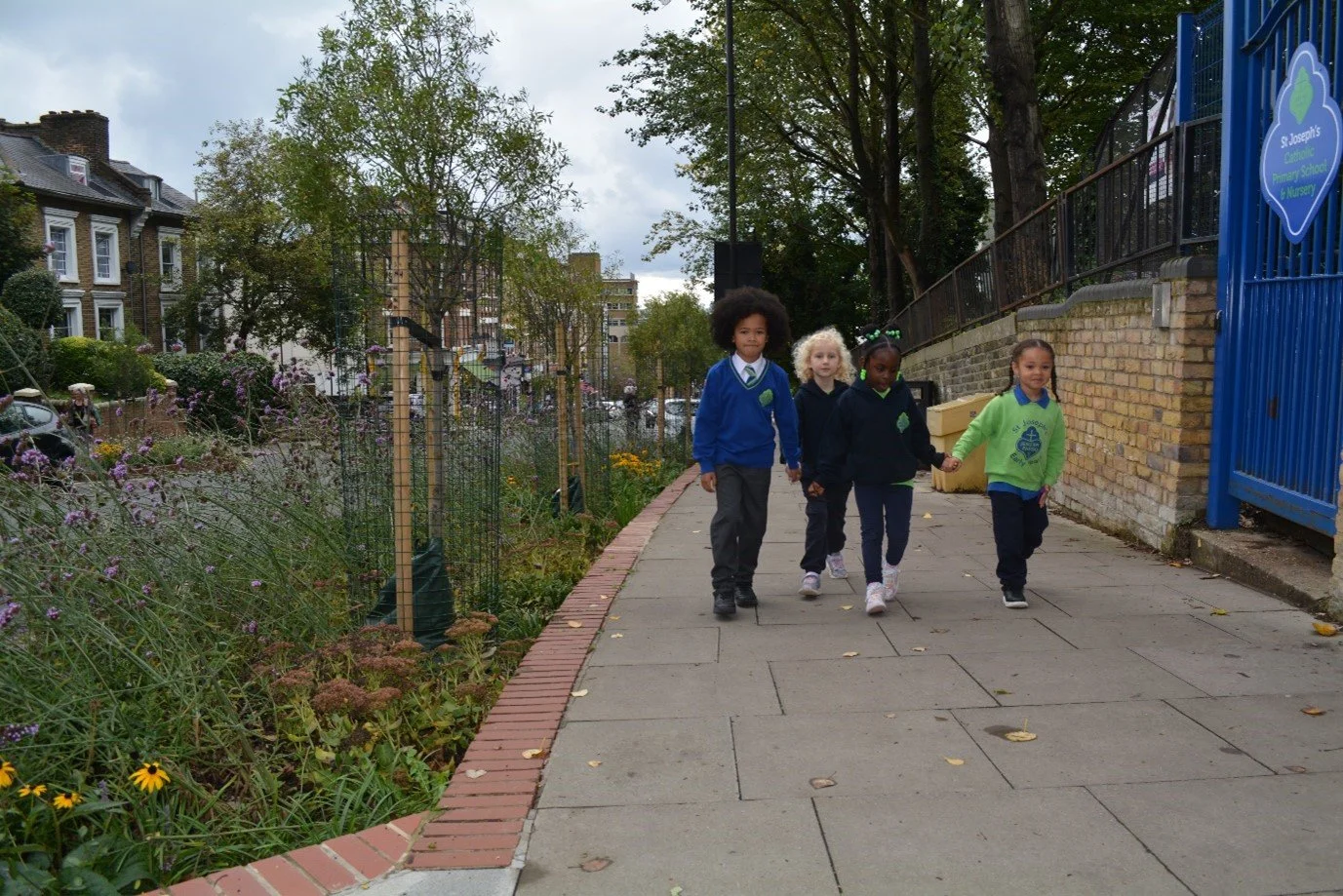
St Joseph’s Primary School
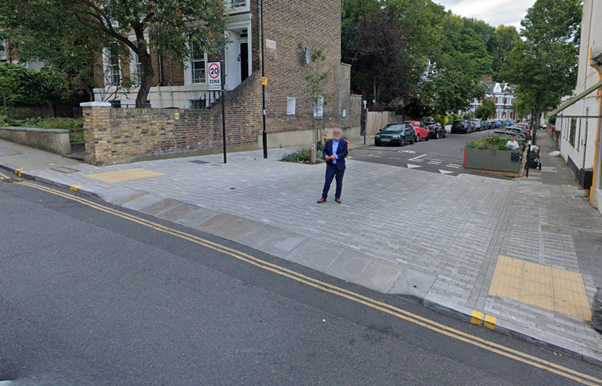
St Joseph’s Primary School – Continuous footway
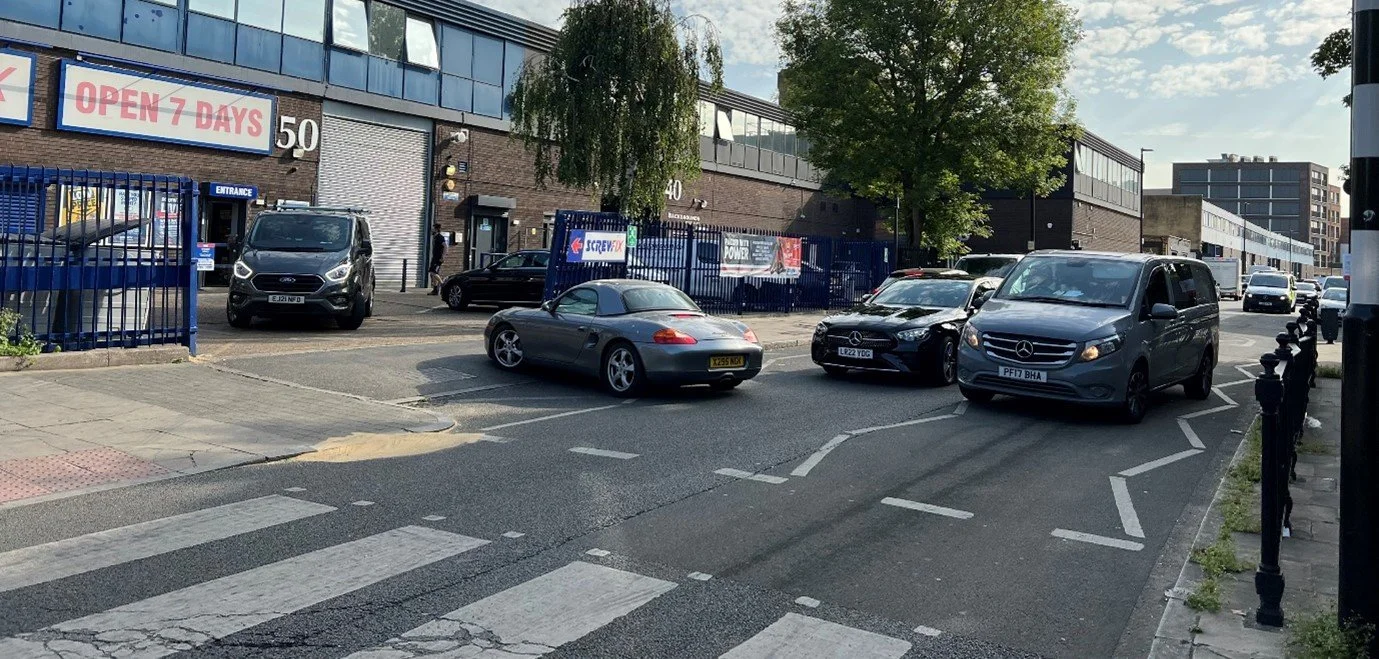

Robert Blair Primary School before and after

Robert Blair primary school

Montem Primary School before and after
Annual membership of Women in Transport is £60 per year providing access to professional development and networking opportunities. We very much welcome guest blogs from our members - a great way to share the incredible diversity of opportunity in transport, raise your profile and connect with our community. Join us today.
Follow us on Linkedin at Women in Transport and at @transportwmn on Instagram for events, news and updates.